Enclosure Guide – 3x3x2.4 – v1

BLUEROOM SIMULATIONS β€’ ASSEMBLY MANUAL

BlueRoom Enclosure Setup

Step-by-step assembly for the BlueRoom enclosure structure, fabrics, and integrated lighting. Use the photos to identify components quickly.

Tip: In the print dialog, choose Save as PDF.
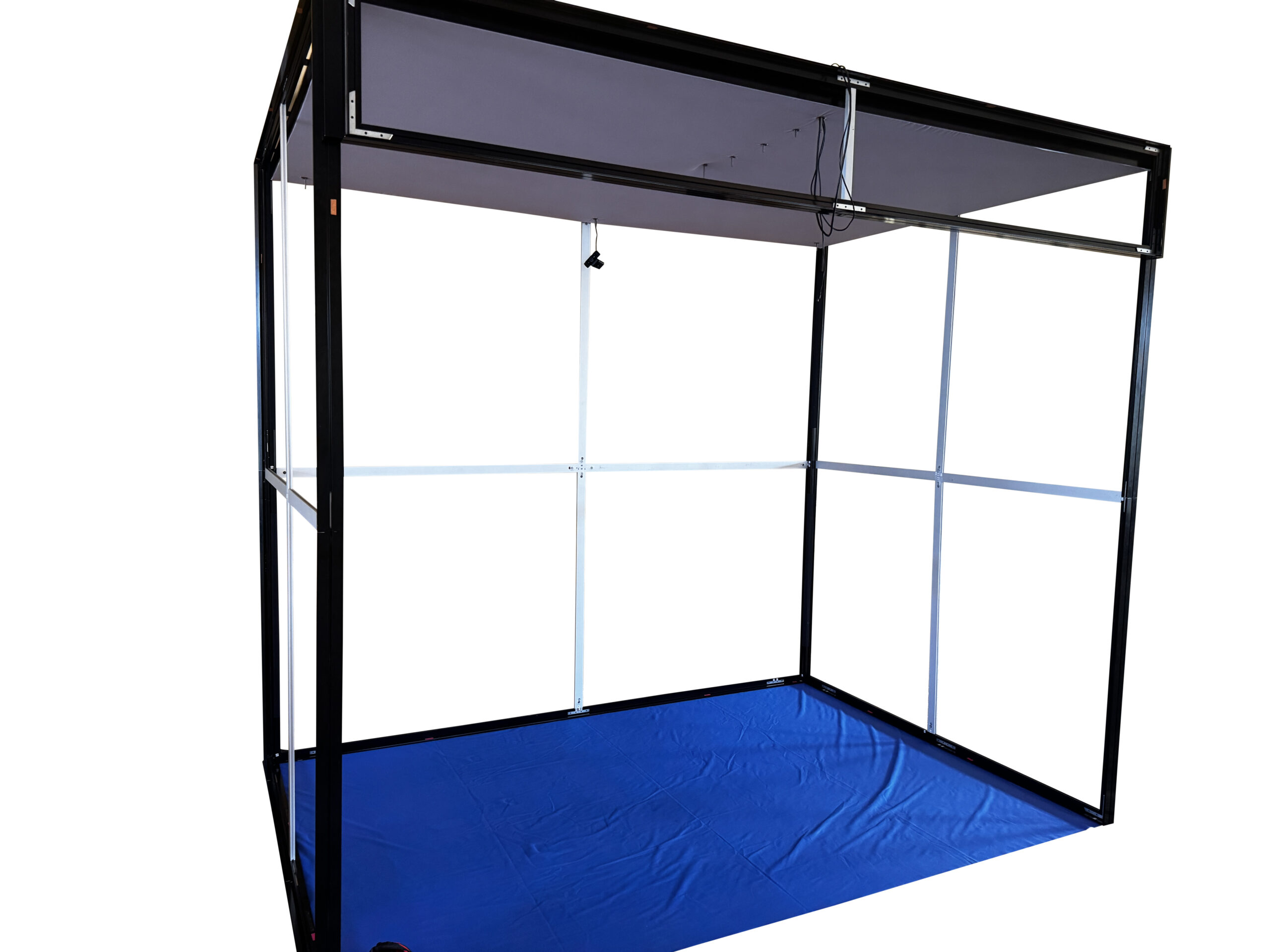
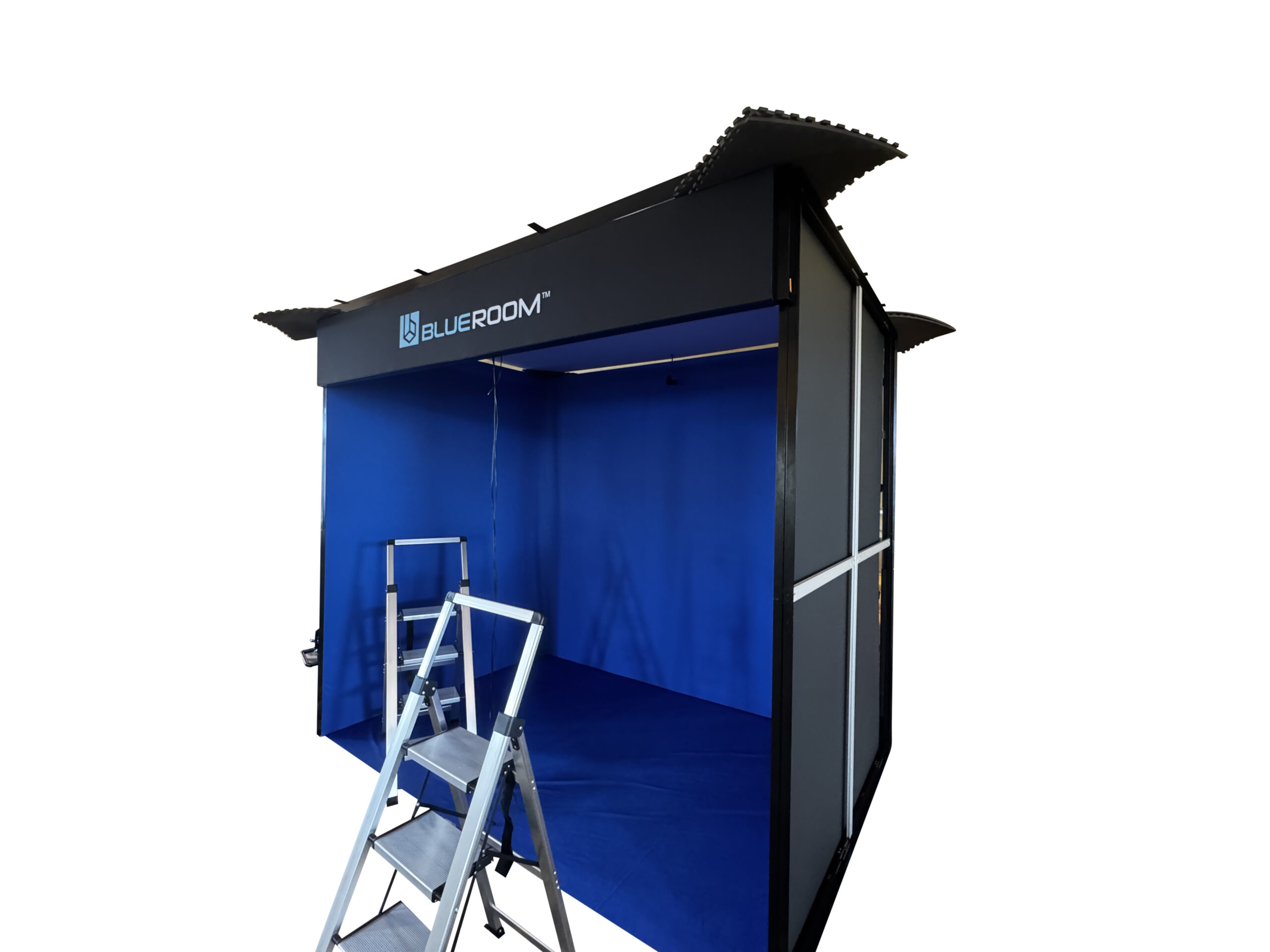
Enclosure frame (reference)

Quick Navigation

Tap a section to jump. For first-time setup, follow Sections B β†’ H in order.

A. Safety + Preparation

Two-person minimum. Use 3 step ladders for roof work. Keep fingers clear of pinch points when seating joints.
  • Choose a clear, level area with enough space around the enclosure.
  • Keep fabrics on a clean surface to avoid dirt transfer.
  • Keep power disconnected until the lighting roof is fully mounted and inspected.
  • Assign roles: Person A (frame alignment) / Person B (fasteners, ladders, fabrics).
Step ladders required
Tools: 3 Γ— step ladders recommended for roof assembly.

B. Inventory Check (Components + Tools)

Before you build, confirm everything is present and undamaged.

Components

  • Bottom frame
  • Top frame
  • Roof frame
  • Spreader bars
  • Inner roof fabric
  • Top roof fabric and integrated lighting
  • Left wall fabric
  • Right wall fabric
  • Back wall fabric
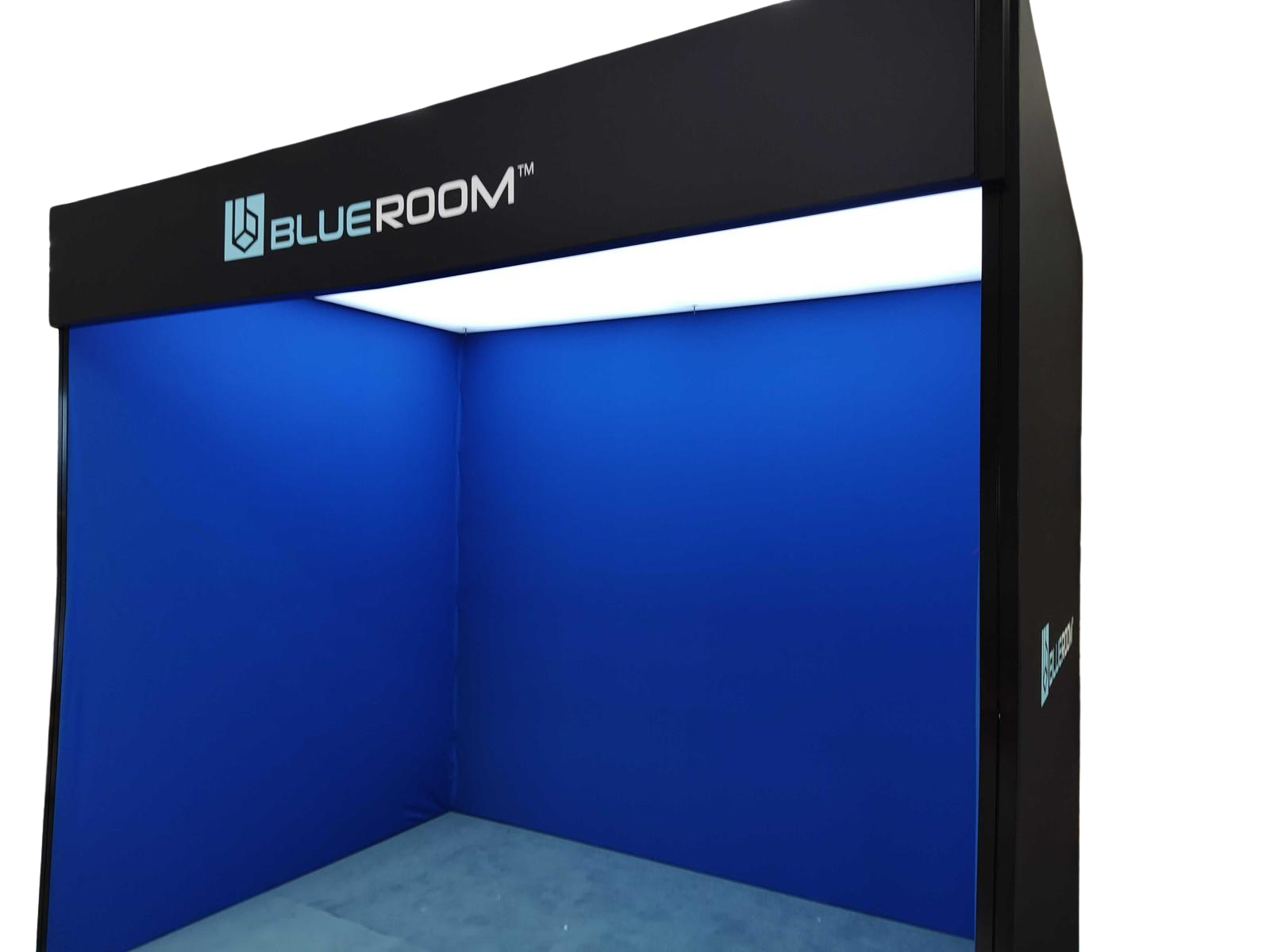
  • Inside fabric
  • Floor fabric
  • Power supply
  • Tool kit

Tools required

  • 3 Γ— step ladders
  • Small hammer
  • Screw drivers
  • Allen keys
  • Tape measure
  • Soldering iron and solder (as required)
Components overview
Component overview for quick identification.

C. Bottom Frame

C1 β€” Lay out the bottom frameSquare the footprint
  1. Place the bottom frame on the ground in the final position.
  2. Square the corners (measure diagonals if needed).
  3. Ensure the frame sits flat (no rocking).
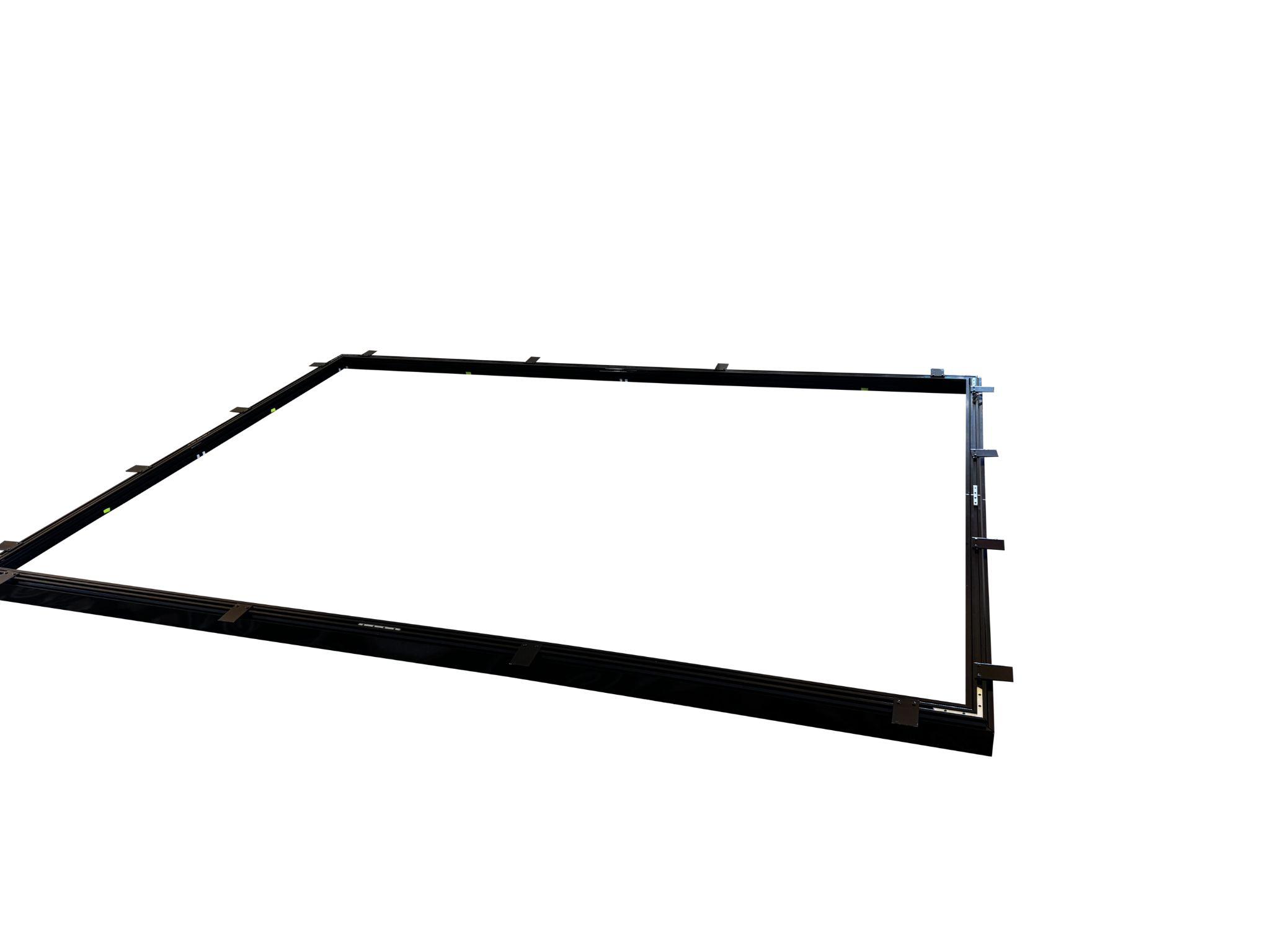
Bottom frame
Bottom frame (reference photo).
C2 β€” Confirm orientationEntry + power side
  • Decide which side is the entry and which side is the β€œrear” for power routing.
  • Confirm there is clearance for cables to exit cleanly without trip hazards.

D. Top + Roof Frame

D1 β€” Install the top frameTwo-person lift
  1. Position the top frame near the bottom frame.
  2. Lift and align onto the structure joins as designed.
  3. Seat connections fully; do not force misaligned joints.
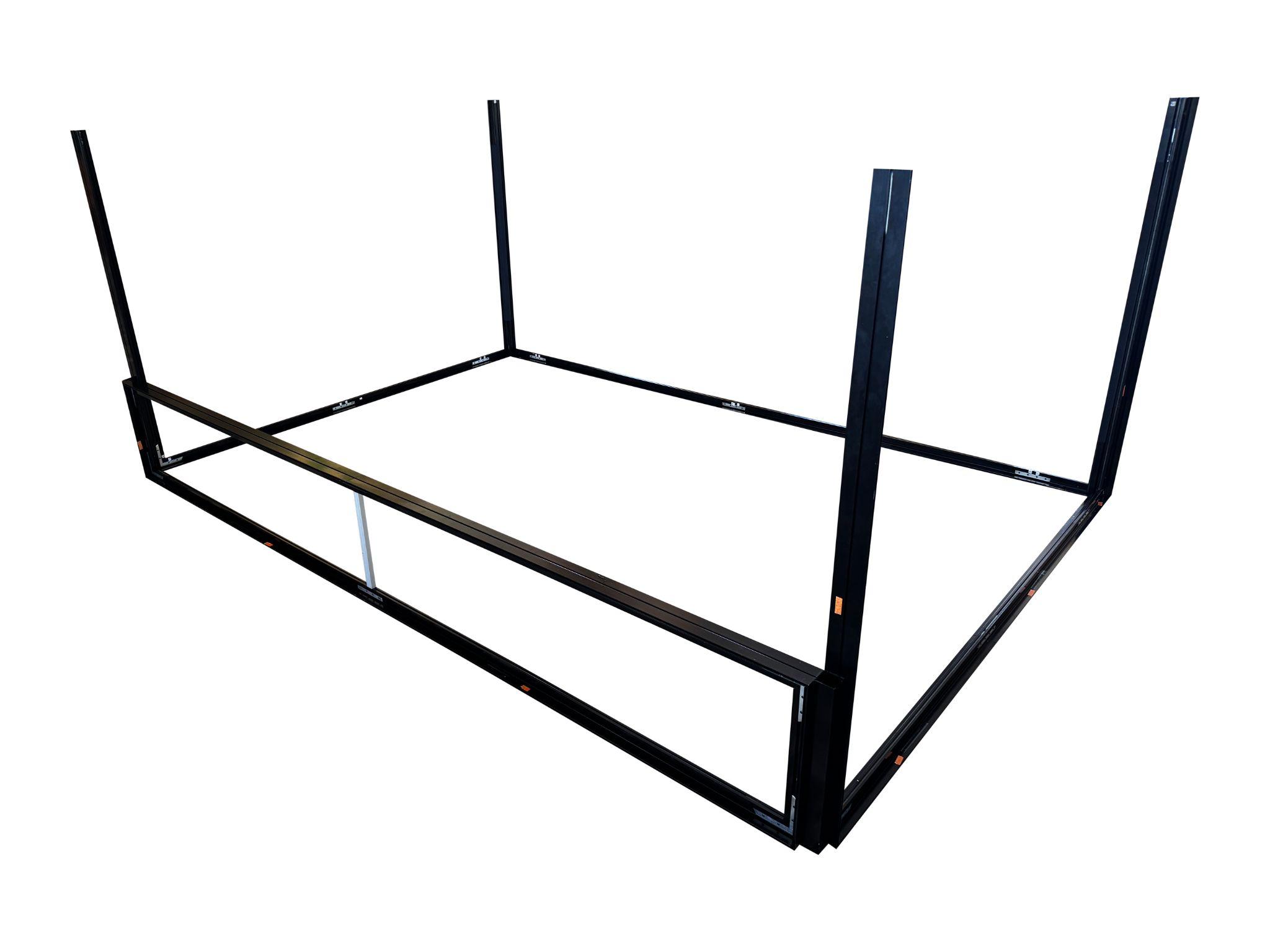
Top frame
Top frame (reference photo).
D2 β€” Install the roof frameUse ladders
  • Place 3 ladders so roof work can be done safely.
  • Lift the roof frame into position and seat each corner.
  • Confirm the roof frame is level before adding spreaders.
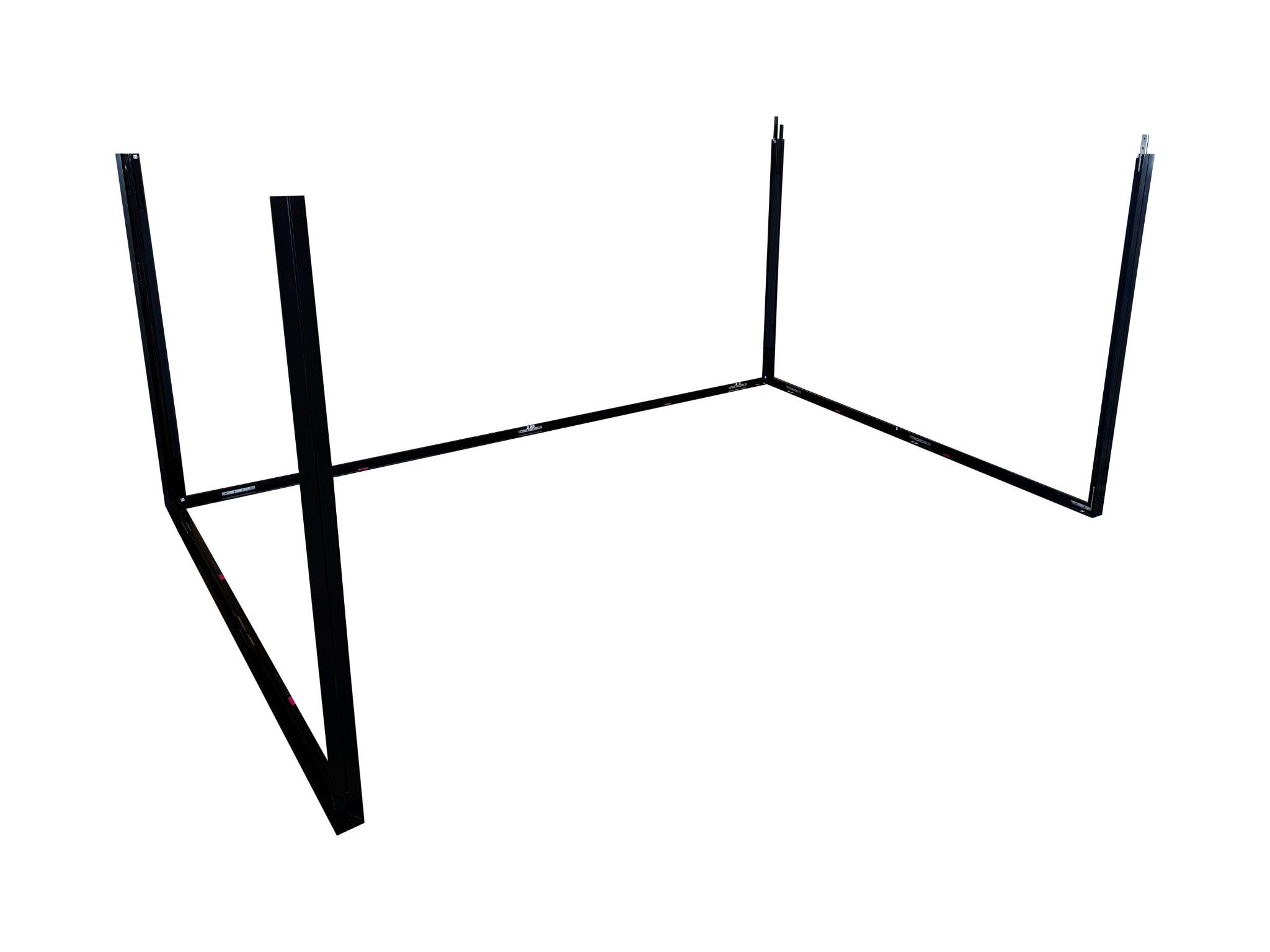
Roof frame
Roof frame (reference photo).

E. Spreader Bars

E1 β€” Identify spreader barsSort by length
  • Lay out all spreader bars and group by type/length.
  • Inspect for damage, missing fasteners, or bent sections.
Spreader bars
Spreader bars (reference photo).
E2 β€” Install spreaders evenlyOpposite sides first
  1. Install spreaders in a balanced pattern (opposite sides) to keep the frame square.
  2. Seat each end fully before tightening any fasteners.
  3. Tighten to firm β€œhand tight” with the tool kit (do not over-torque).
Check: After spreaders are installed, the structure should feel rigid with minimal sway.

F. Fabrics (Roof + Walls + Inside + Floor)

Install fabrics in this order to reduce rework and keep the floor clean.

F1 β€” Inner roof fabricCorners first
  1. Unfold the inner roof fabric and identify orientation.
  2. Attach corners first, then work around edges evenly.
  3. Smooth fabric so it sits flat (no sagging).
Inner roof fabric
Inner roof fabric (reference photo).
F2 β€” Top roof fabric + integrated lightingDo not power yet
  • Mount the top roof fabric and integrated lighting on the roof frame.
  • Route cabling toward your chosen power exit side.
  • Visually inspect connectors before energising.
Safety: Do not connect power until the roof fabric is fully seated and cables are not under tension.
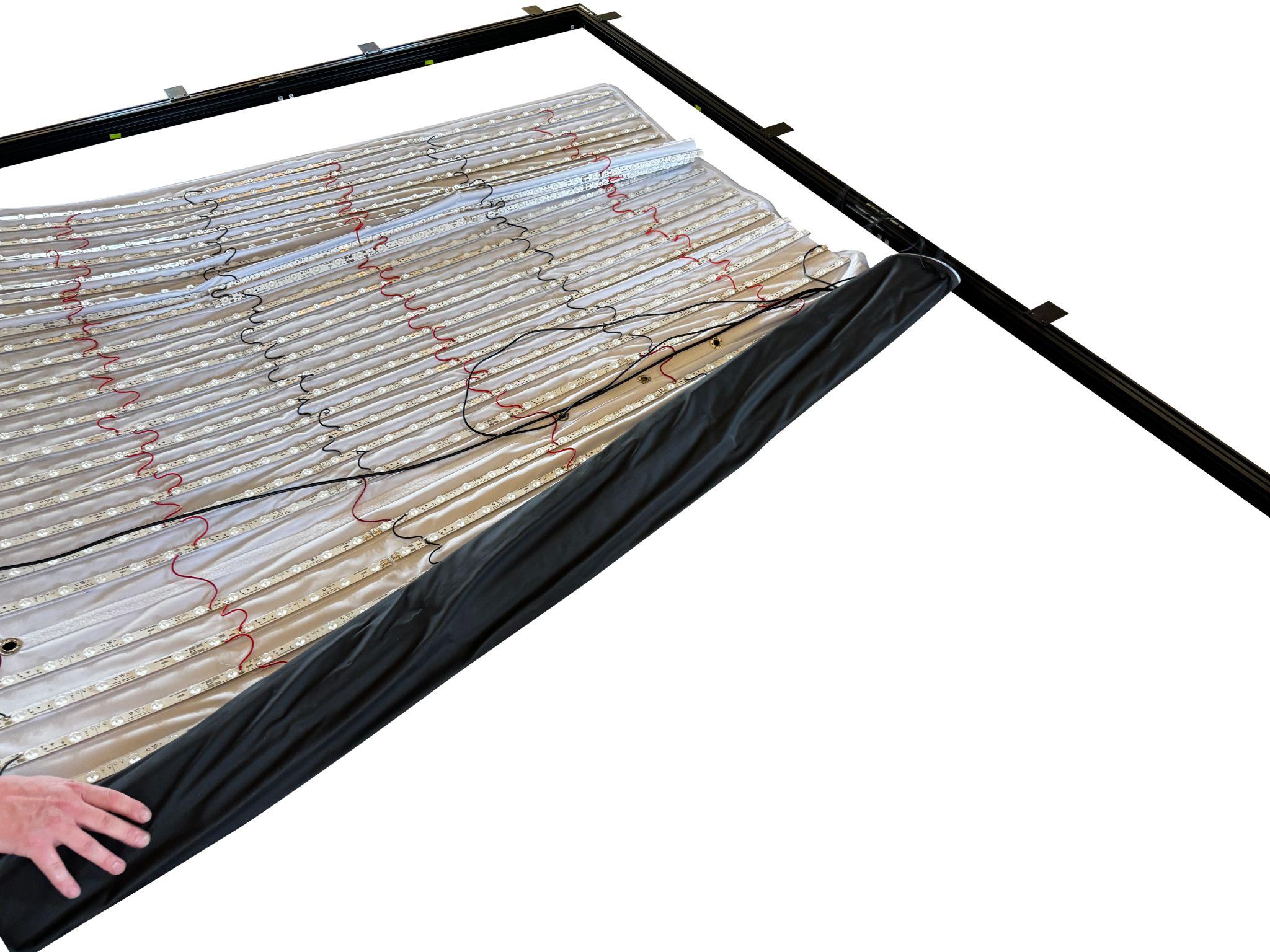
Top roof fabric and integrated lighting
Top roof fabric + integrated lighting (reference photo).
F3 β€” Wall fabrics (back β†’ left β†’ right)Back wall sets alignment
  1. Install back wall first to establish rear alignment.
  2. Install left wall and right wall, corners first then edges.
  3. Close seams and confirm no gaps at corners.
Back wall fabric
Back wall fabric.
Left wall fabric
Left wall fabric.
Right wall fabric
Right wall fabric.
F4 β€” Inside fabricSmooth wrinkles
  • Install the inside fabric to complete the interior finish.
  • Work from top to bottom; remove wrinkles and ensure even tension.
Inside fabric
Inside fabric (reference photo).
F5 β€” Floor fabric (install LAST)Keep clean
  1. Confirm roof + walls + inside fabrics are complete first.
  2. Lay the floor fabric flat and align corners.
  3. Attach edges as designed and smooth flat.
Reason: Installing the floor last keeps it clean and avoids rework while routing roof cabling.
Floor fabric
Floor fabric (reference photo).

G. Lighting + Power

Connect power only after fabrics are seated and cabling is not under tension.

G1 β€” Identify power supplyInspect cables
  • Locate the power supply and check for damage.
  • Confirm connectors match the integrated lighting input.
Power supply
Power supply (reference photo).
G2 β€” Connect and test lightingFunctional check
  1. Connect lighting input to power supply output.
  2. Route cables along the frame away from pinch points.
  3. Power on and confirm lights operate as expected.
  4. If flicker/no power, power off and re-seat connectors.
G3 β€” Tool kit referenceFinal tightening
  • Use the tool kit for any final adjustments.
  • Do not over-torque fasteners into frame fittings.
Tool kit
Tool kit (reference photo).

H. Final Checks

  • Structure: square, rigid, stable; no loose joints.
  • Roof: inner + top roof seated; cabling tidy.
  • Walls: seams closed; no gaps at corners.
  • Inside: tension even; wrinkles minimised.
  • Floor: installed last; clean and flat.
  • Power: lights tested; cables clear of pinch points.
Best practice: Do one complete walk-around and gently check each connection point before operation.
Tape measure
Tape measure: confirm squareness and consistent dimensions.
Allen keys
Allen keys: final fastener checks.

I. Pack Down (Reverse Order)

  1. Power off and disconnect the power supply.
  2. Remove floor fabric first and store clean/dry.
  3. Remove inside fabric, then wall fabrics (left/right/back).
  4. Remove top roof fabric (integrated lighting) carefully; coil cables without tight bends.
  5. Remove inner roof fabric.
  6. Remove spreader bars.
  7. Disassemble roof frame, then top frame, then bottom frame (as designed).
  8. Pack components to prevent fabric snags and metal-on-metal rubbing.
Tip: Keep fabric pieces in labelled bags so the next setup starts faster.

J. Troubleshooting

Roof fabric sagging / wrinkled β†’ re-seat corners
  • Detach corners and re-attach evenly.
  • Confirm spreader bars are installed and tightened evenly.
Walls not aligning / gaps at seams β†’ check squareness
  • Re-check bottom frame is square (measure diagonals).
  • Install back wall first, then left/right; corners first.
Integrated lighting not working / flicker β†’ connectors + cable strain
  • Power off, then re-seat all connectors.
  • Ensure cables are not pinched between frame joints.
  • Confirm the power supply output connector is fully engaged.

Β© BlueRoom Simulations Pty Ltd β€” Enclosure Setup Manual